-
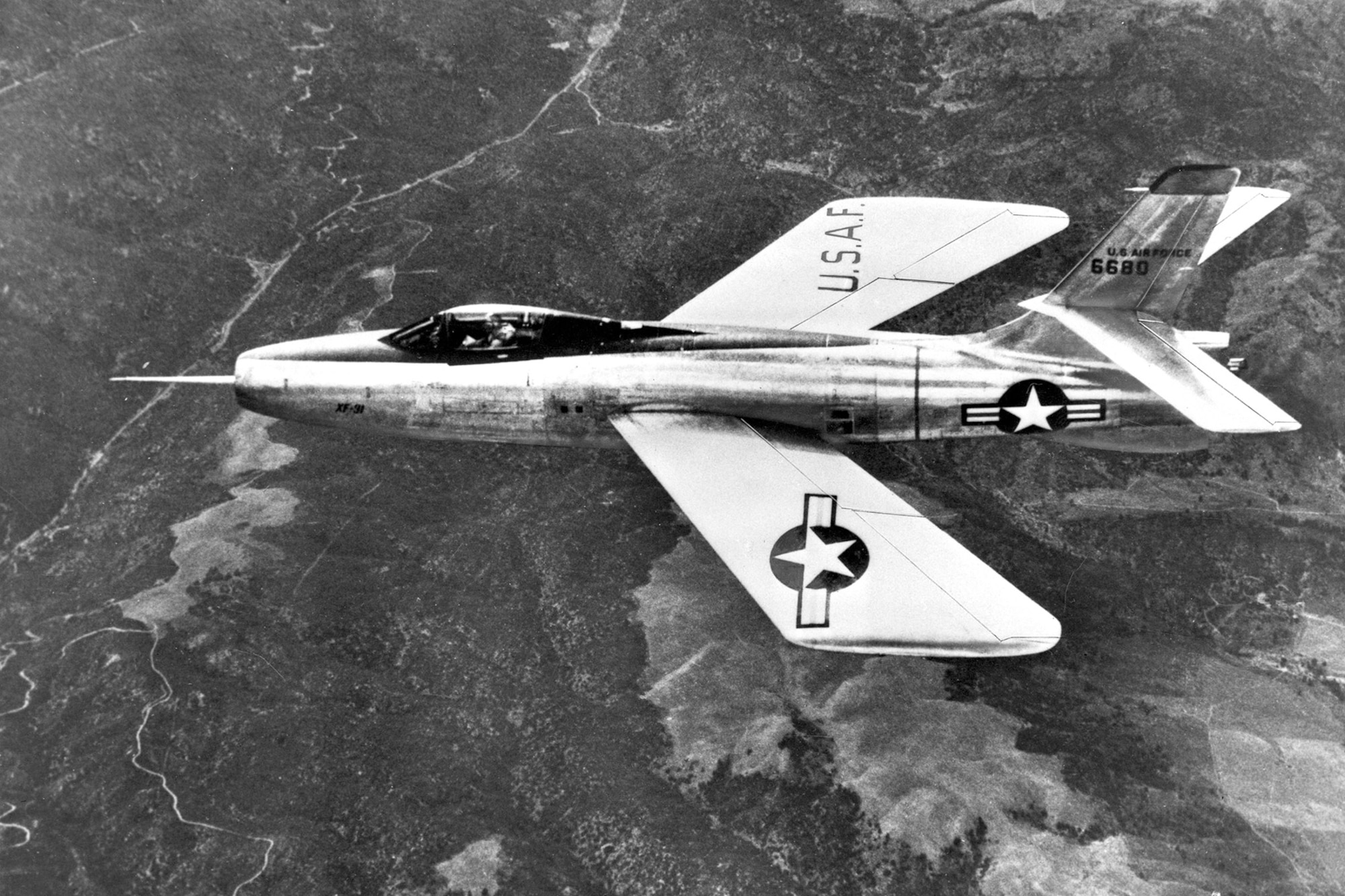
What About Tip Stall?
With the sweep and small chord near the wingtip of a crescent-shaped elliptical planform, it’s natural to wonder if the wingtips will stall before the rest of the wing. This would be undesirable since it could contribute to a tendency to roll off to one side or the other during a stall. Worse yet, the…
-

Aerodynamic Center
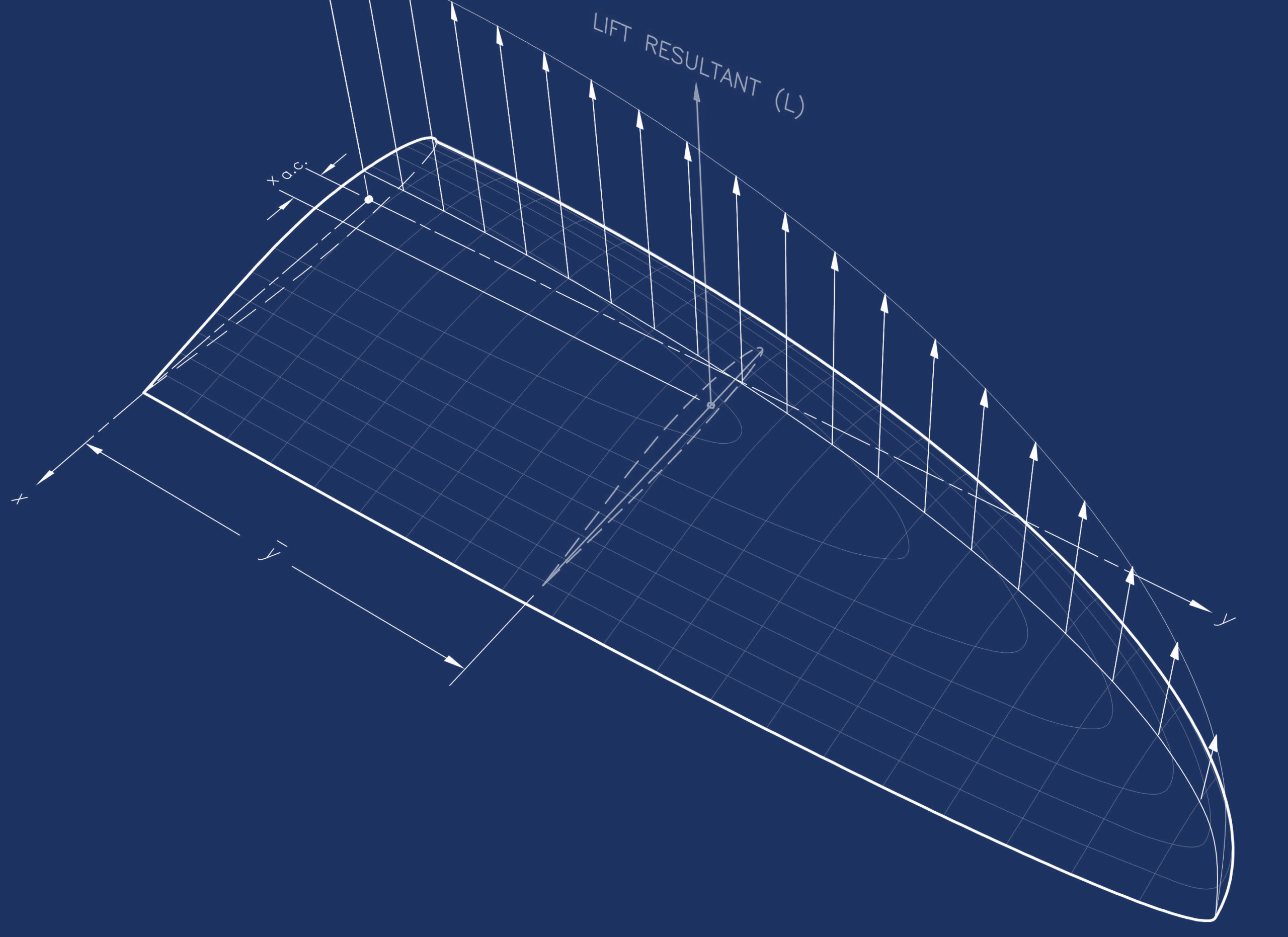
Finding the Aerodynamic Center So far we’ve defined the geometry of the planform and found the mean aerodynamic chord. But we need to know where the wing’s aerodynamic center is so that we can determine the tail length for stability calculations. The task here is to determine the spanwise position of the MAC, and to…
-
MAC Length
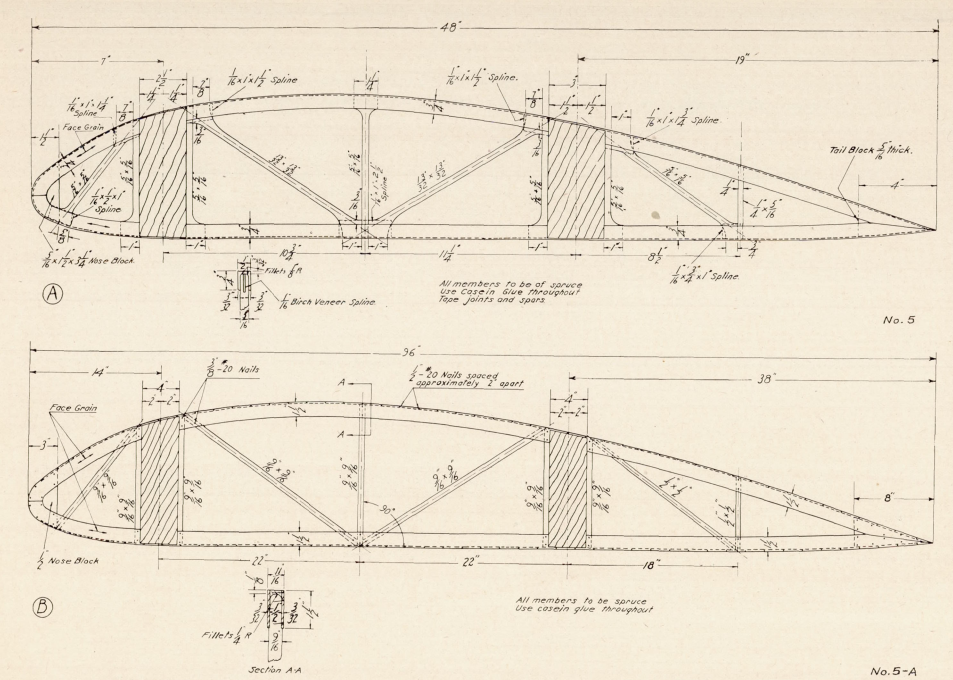
Wing ribs from NACA Report #345 Mean Aerodynamic Chord The length of the MAC is an important figure that will be used later in stability calculations, so we might as well find it now that we’ve defined the geometry of the wing. Assuming the wing has no twist and consists of a single airfoil (from…
-
Analytic Geometry: Planform
The elliptical family There are a variety of elliptical planforms that have been used successfully on airplanes. Each of the four planforms below have the same area, because they share the same root chord and span. They could be thought of either as distorted ellipses (moving the major axis fore and aft) or as shapes…
-
MOSAIC/Sport Pilot 2.0, revisited
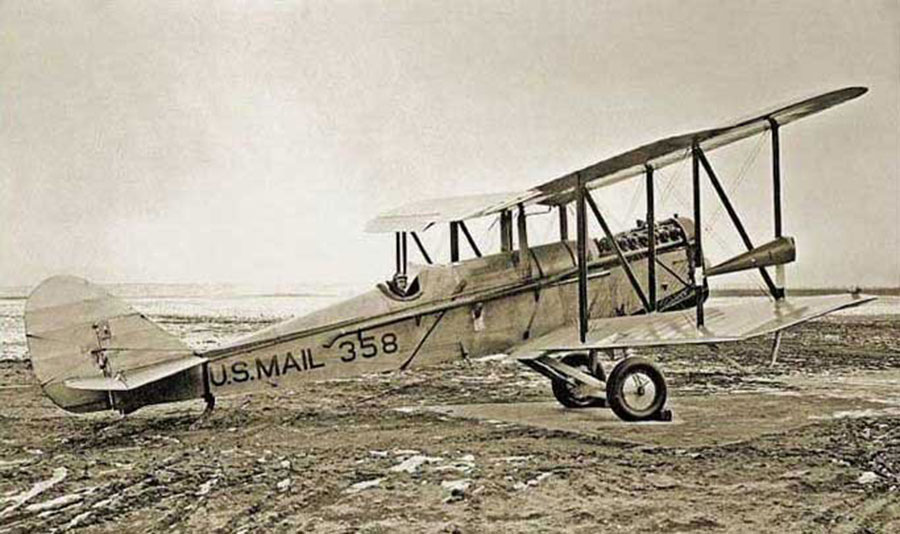
From the mail bag… An astute reader commented that meeting the new Sport Pilot (MOSAIC) stall speed might not be the performance killer I thought it would probably be. In fact, he said, it might only reduce the top end by a few miles per hour. Well, I ran the numbers and he’s right. So…
-

MOSAIC/Sport Pilot 2.0?
Should we try for a sport pilot-eligible design? The new Sport Pilot rule announced in 2024 allows sport pilots (or private pilots exercising their sport pilot privileges) to operate certain aircraft without a medical certificate. The previous gross weight limit was eliminated and the clean stall speed was raised to 59 knots (68 mph). So…
-
DATCOM flap tools
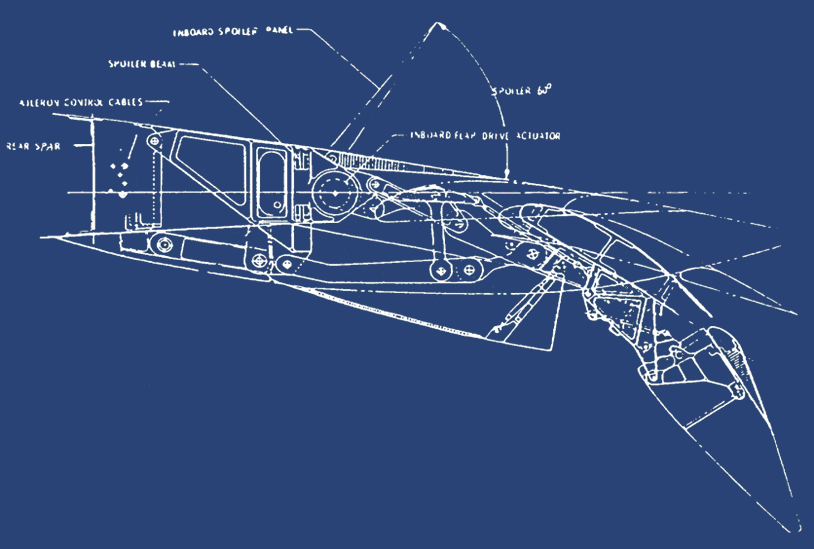
In part 2 of Wing Sizing, we used a value for that comes from the USAF Stability and Control Data Compendium (DATCOM). The DATCOM is chock-full of useful things for general aviation designers. You can download it here. Method for trailing-edge flaps In section 6.1.1.3, maximum section lift with high-lift and control devices (think flaps…
-

Wing Sizing: Part 2
When we left off in Part 1, we asked, will we really get a wing lift coefficient of 2.0? We’ll address that today and determine the wing reference area. Why flaps, and which kind? The purpose of the flaps, as a high-lift device, is to minimize the wing area (which costs us weight and drag)…
-

Wing Sizing: Part 1
How much wing do I need? I’ve read a lot of textbooks and other sources and the thing I’ve learned is that you can make this as simple or complex as you like. Nearest I can tell, all of the methods out there are approximations of the reality that is actually taking place. Naturally some…
-
Elliptical Planform
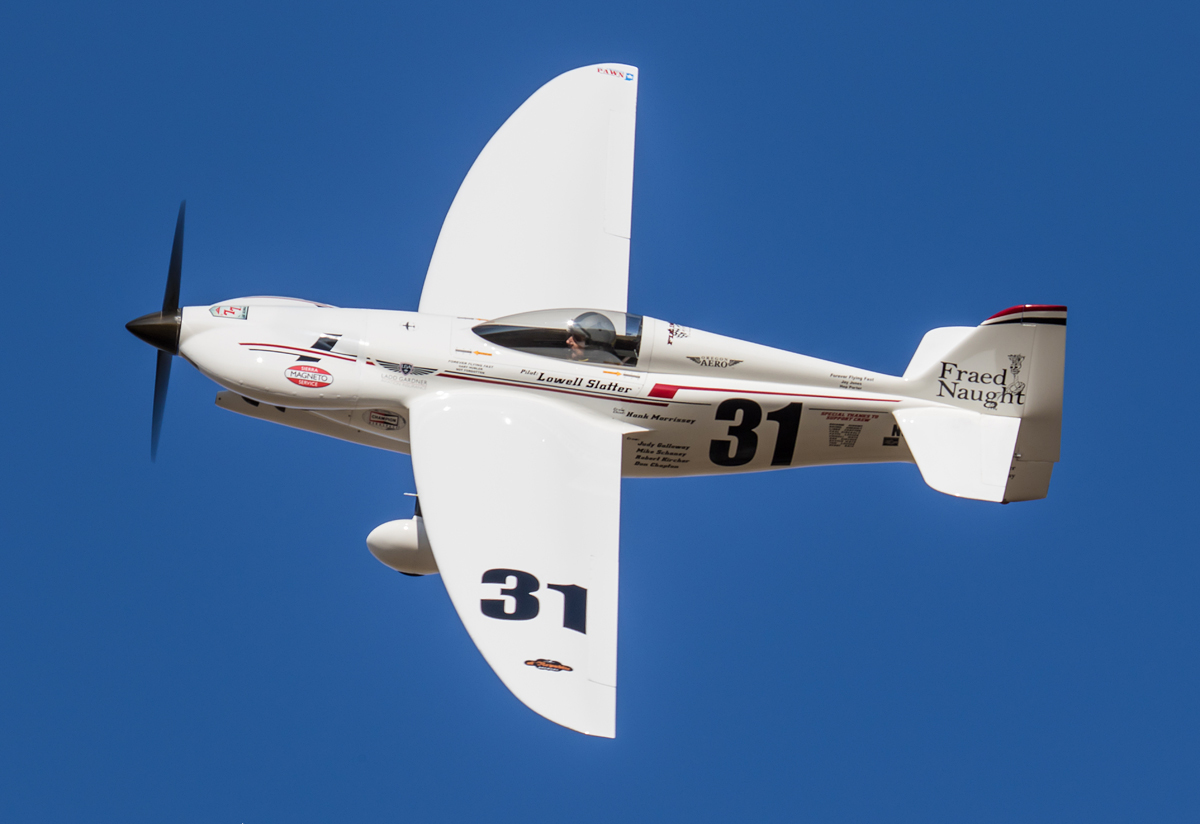
Before we take the next step of determining the size of the wing, we should discuss its geometry. We’ve selected an elliptical planform (similar to the crescent-shaped wing above) for several reasons. Why elliptical? Elegance In the highest school of design–nature–we rarely find straight lines. The simplest geometric form is the circle, and an ellipse…